Care PLans and Training
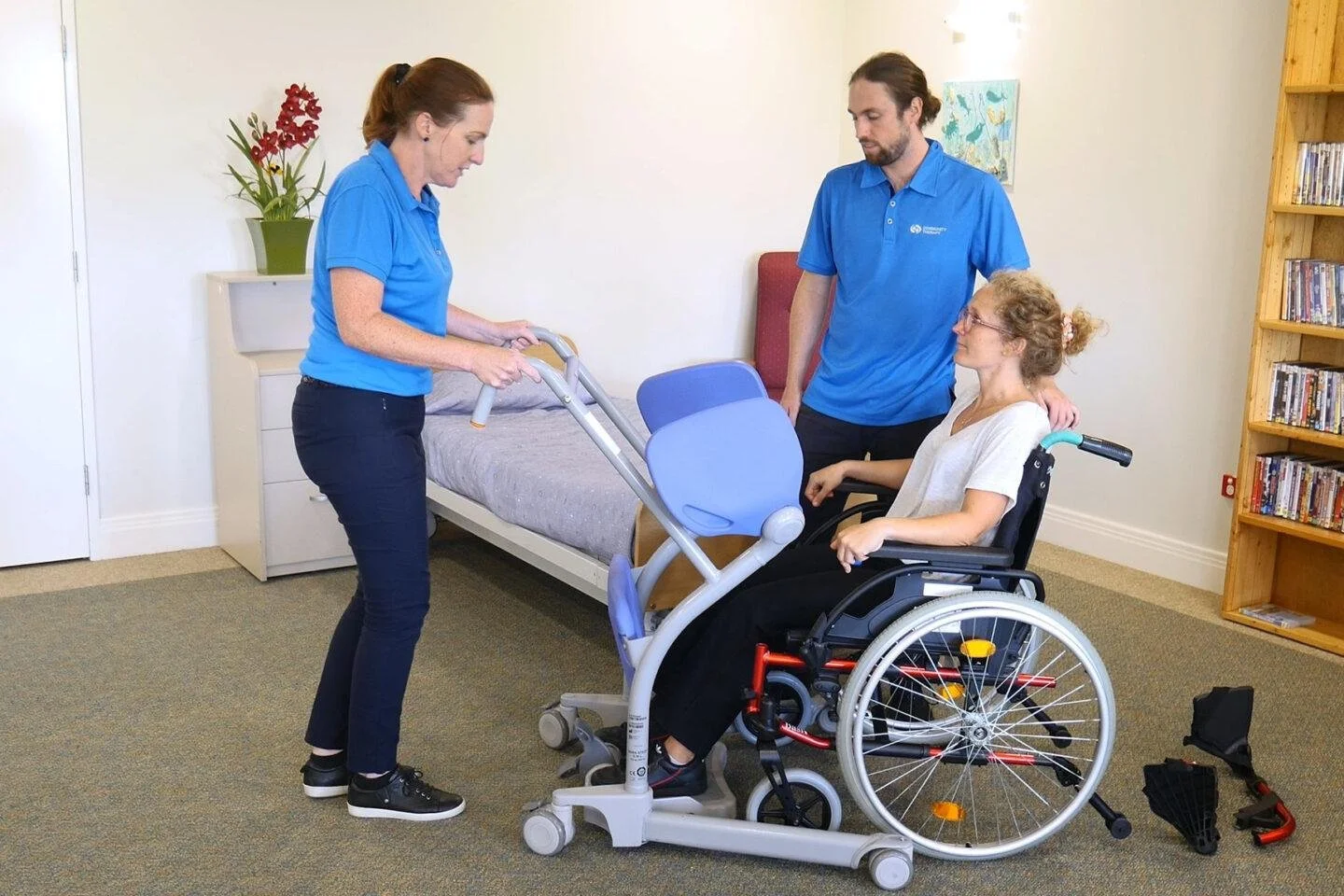
At Independence Pathways OT, care plans and support worker training are developed to improve consistency, safety, and quality of support across daily care routines and environments.
Occupational therapy input can assist support teams to better understand a participant’s functional needs, communication style, mobility requirements, equipment use, behavioural presentation, fatigue management, and strategies that support independence and wellbeing.
Training and care planning are tailored to the participant’s individual needs, routines, risks, and goals.
What is included?
Services may include:
Development of individualised care plans
Manual handling and transfer guidance
Positioning and pressure care recommendations
Equipment use and safety education
Cognitive and communication supports
Environmental setup recommendations
Risk management and safety planning
Daily routine and task support strategies
Education for families, carers, and support workers
Documentation is developed to provide practical guidance that can be consistently implemented across support teams and care environments.
Worker Training
Training may be provided to support workers, family members and carers, SIL staff, residential care staff and/or community support teams
Training is practical and participant-specific, and may include:
safe transfer techniques
wheelchair and seating management
use of assistive technology
mobility support
falls prevention
communication approaches
strategies for fatigue and cognitive support
safe support during personal care tasks
implementation of therapy recommendations
The aim is to improve confidence, consistency, and safety for both participants and support teams.
Care Planning
Care plans are developed to support clear and consistent approaches to daily care and support requirements.
Plans may address:
personal care routines
mobility and transfer assistance
meal preparation support
prompting and supervision requirements
behavioural or emotional support strategies
equipment setup and use
positioning schedules
fatigue management strategies
risk management considerations
escalation or monitoring requirements
Care plans can assist in supporting continuity of care across multiple staff and settings.
Who May Benefit?
Care planning and training may benefit participants who:
require assistance with daily living tasks
have complex mobility or transfer needs
use assistive technology or specialised equipment
have progressive neurological or physical conditions
require multiple support workers or rotating staff
experience cognitive or communication difficulties
require structured routines or behavioural support strategies
are transitioning to new support arrangements or accommodation settings